
A musical friendship begins.
Pam and Susan meet as elementary music teachers taking graduate classes together in Portland, Oregon — and discover a shared passion for helping kids learn through music.




Singing with Families Since 1977
Nearly 50 years ago, two music educators published a children’s songbook and called it Wee Sing. More than 70 million books, audios, and live-action videos later, Wee Sing is recognized as one of the world’s most cherished children’s brands – and a leader in preschool learning through music. Pam Beall and Susan Nipp created that first songbook in 1977 because they were passionate about enriching the lives of kids through music.
They knew that music stimulates cognitive, physical, and social development of young children. And through songs, chants, movement, and rhythm, they gain the readiness skills of language, coordination, auditory discrimination, body awareness, rhythmic proficiency, and self-confidence. But in the big picture, kids are just having fun.
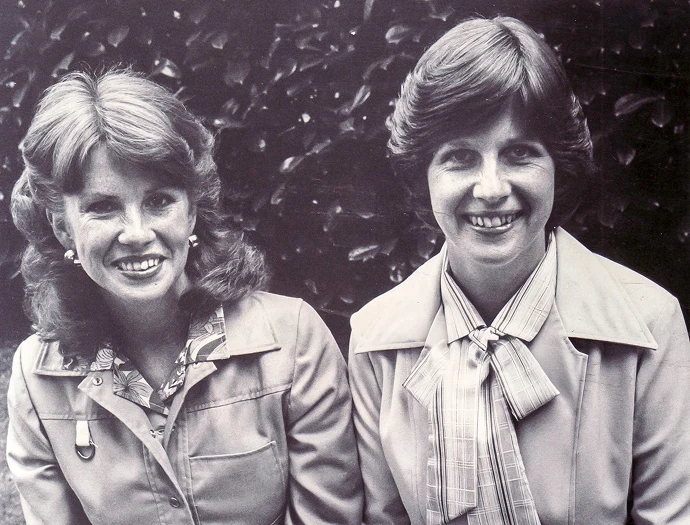
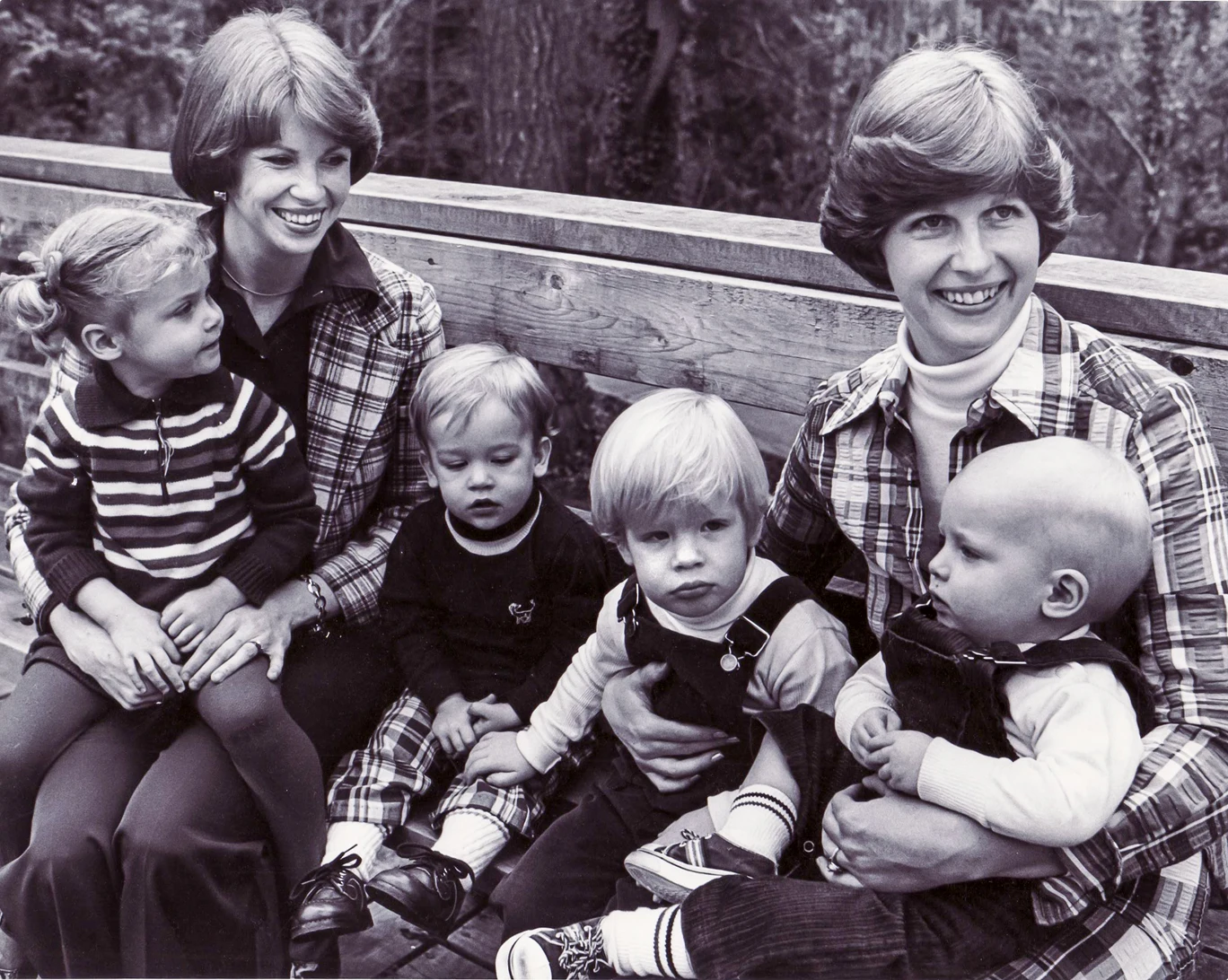
The Wee Sing story began in 1972 when elementary school music teachers Pam Beall and Susan Nipp met while taking graduate music classes in Portland, Oregon. A few years later, as young mothers, they wanted to share the songs they had loved as children with their own families. But as they searched for collections of traditional children's music, they discovered that many beloved songs were difficult to find — and some were in danger of being forgotten.
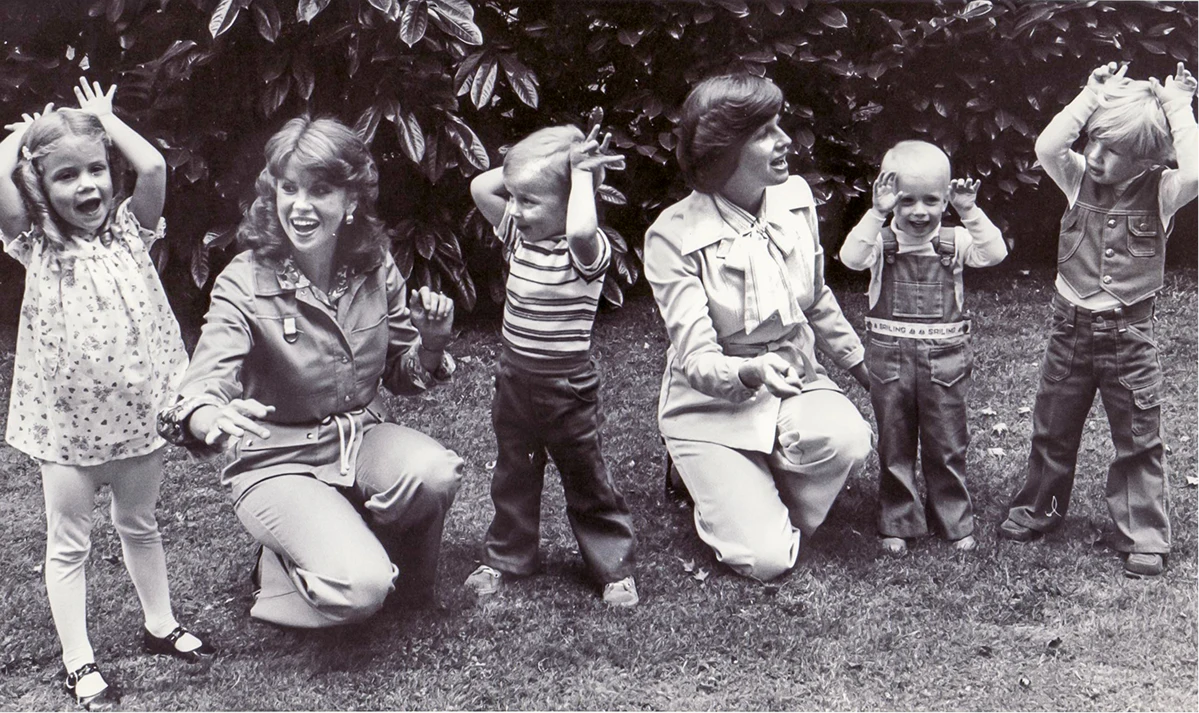
Determined to preserve these timeless songs for future generations, Pam and Susan began researching, collecting, and organizing favorites from parents, grandparents, teachers, and musicians. The result was Wee Sing, published in 1977 and illustrated by their artist friend Nancy Klein. What started as a resource for their own families quickly resonated with parents and educators everywhere.
As Wee Sing grew, so did its mission. New songbooks were joined by recordings, videos, activity books, apps, and digital music, making Wee Sing one of the first children's brands to embrace new formats while staying true to its educational roots. Today, Wee Sing has grown into one of the world's best-selling children's music brands, with more than 90 titles, over 70 million products sold, and music enjoyed by families, schools, and libraries around the globe.
Through every new format and every new generation, the heart of Wee Sing has remained the same: helping children learn, grow, and create joyful memories through the power of music.
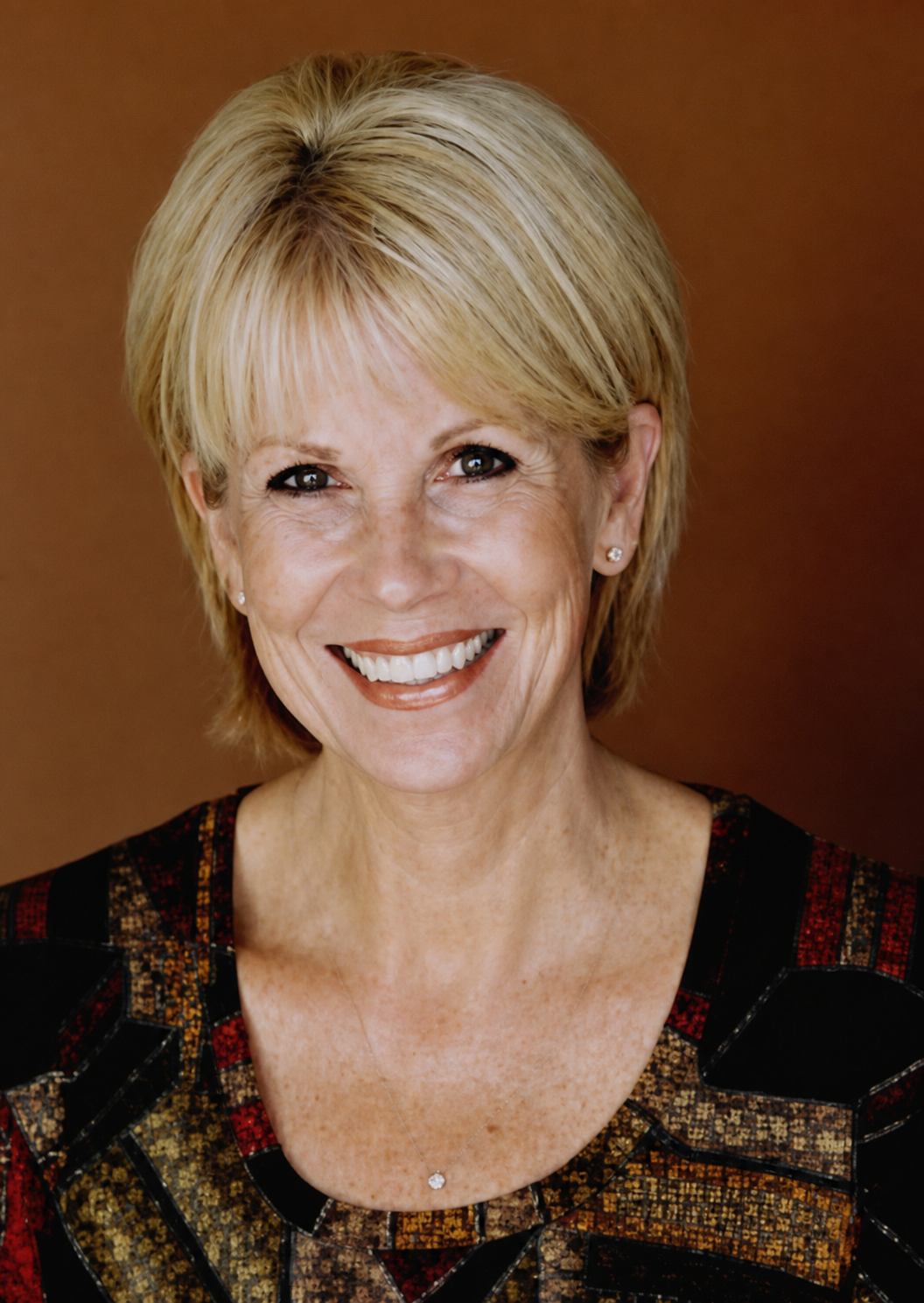
Pam grew up in Klamath Falls, Oregon, surrounded by music — studying voice, piano, and guitar, and singing in choirs throughout her childhood. She earned her music degree from Oregon State University and went on to teach elementary music in the Portland area before co-creating Wee Sing. Pam lived in Lake Oswego, Oregon, with her husband Ron until her passing in 2021. She had four children and 19 grandchildren.
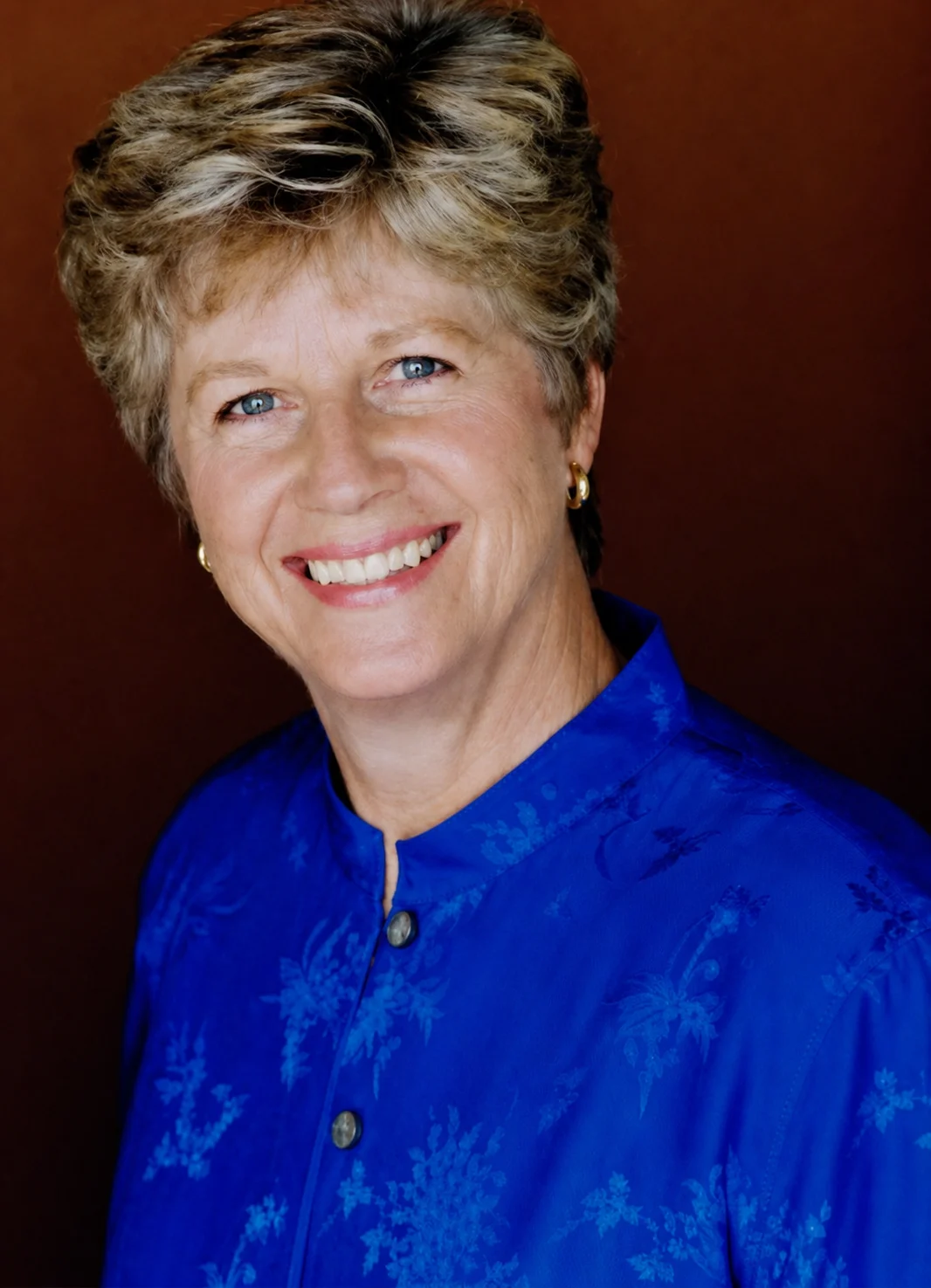
Susan grew up in Spokane, Washington, in a family that sang together and played various instruments. She studied piano and flute, earned her music degree from Whitworth University, and taught both high school English and elementary music before Wee Sing began. Susan lives in Coeur d'Alene, Idaho, with her husband Charlie, and is a mother of two and grandmother of five.
Pam and Susan meet as elementary music teachers taking graduate classes together in Portland, Oregon — and discover a shared passion for helping kids learn through music.
As young mothers, Pam and Susan wanted to pass their favorite childhood songs on to their own kids, but couldn't find a good collection to work from. So they made one — Wee Sing.
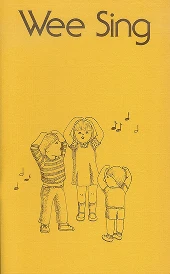
After selling 20,000 copies on their own, Wee Sing was picked up by Price Stern Sloan (now part of Penguin Random House), and the catalog began to grow.
Wee Sing added audiocassettes to the lineup, recorded with Early Bird Recordings in Newberg, Oregon. More than 40 audio titles followed.
The first Wee Sing video brought the songs to life through story, character, and movement — produced in Portland by Poulshock Productions (now Red Door Films).
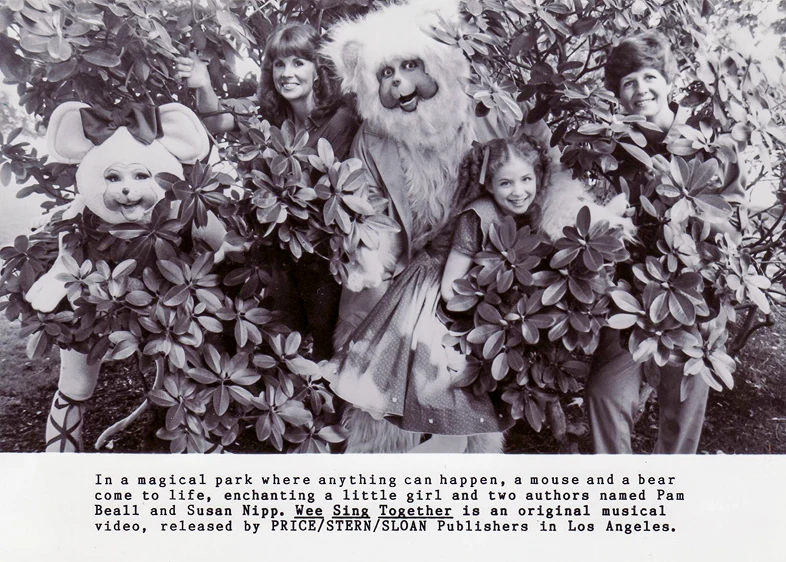
New books, recordings, and videos continue to expand the Wee Sing library, becoming classroom favorites and treasured family traditions.
As technology changes, Wee Sing evolves from cassettes and VHS to CDs, DVDs, and digital downloads while continuing its mission of learning through music.
Wee Sing has moved into streaming and digital formats, meeting families wherever they are. Nearly 50 years and 90+ titles later, Wee Sing is used by parents and educators across the U.S., Europe, Asia, South America, and Africa — not only to teach music, but to teach English through music.
Pam and Susan meet as elementary music teachers taking graduate classes together in Portland, Oregon — and discover a shared passion for helping kids learn through music.
As young mothers, Pam and Susan wanted to pass their favorite childhood songs on to their own kids, but couldn't find a good collection to work from. So they made one — Wee Sing.
After selling 20,000 copies on their own, Wee Sing was picked up by Price Stern Sloan (now part of Penguin Random House), and the catalog began to grow.
Wee Sing added audiocassettes to the lineup, recorded with Early Bird Recordings in Newberg, Oregon. More than 40 audio titles followed.
The first Wee Sing video brought the songs to life through story, character, and movement — produced in Portland by Poulshock Productions (now Red Door Films).
New books, recordings, and videos continue to expand the Wee Sing library, becoming classroom favorites and treasured family traditions.
As technology changes, Wee Sing evolves from cassettes and VHS to CDs, DVDs, and digital downloads while continuing its mission of learning through music.
Wee Sing has moved into streaming and digital formats, meeting families wherever they are. Nearly 50 years and 90+ titles later, Wee Sing is used by parents and educators across the U.S., Europe, Asia, South America, and Africa — not only to teach music, but to teach English through music.
Our impact comes down to four things: learning through music, bringing families together, being trusted by parents and educators, and being loved by children around the world.




Streaming

Classic Wee Sing videos on digital platforms and home viewing

Sing-alongs, videos and musical adventures on our official channel

Screen-free listening — Yoto cards

Books — our bestselling songbooks, still going strong
million books, tapes, CDs, videos, albums, toys, apps, and digital products sold worldwide
titles across songbooks, audio, video, and digital formats
years in print and production
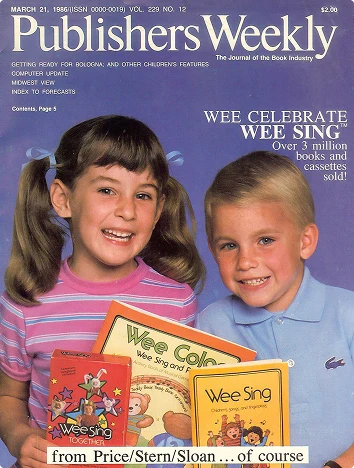
Modern brain research shows that early musical experiences physically shape how a child's brain develops. This early wiring influences how they think, learn, and behave for the rest of their lives.
— a child and parent singing together, pointing to each body part in rhythm. It looks like simple fun. It is fun. But it's also so much more.
A simple song like this builds real skills:

Vocabulary grows, syllables and rhythm sharpen speech and phonemic awareness.

Matching pitch, tempo, and rhythm builds auditory discrimination.

Rhyme, pattern, and sound differentiation lay the groundwork for literacy.

Repetition in favorite songs strengthens focus and recall.

Moving to the beat builds motor skills, from clapping to skipping to full-body movement.

Singing together builds bonds, joy, and self-confidence.
As children grow older and start reading music or playing instruments, those same neural pathways support abstract reasoning and even math. Music strengthens the brain — and the whole time, the child is simply having fun.
— Pam and Susan